PPS-CF
- Ultra-High Heat Resistance
- Top-Tier Flame Retardant Properties
- Peerless Mechanical Properties
- Solvent and Chemical Resistance
- Ultra-Low Water Absorption
Ultra-High Heat Resistance
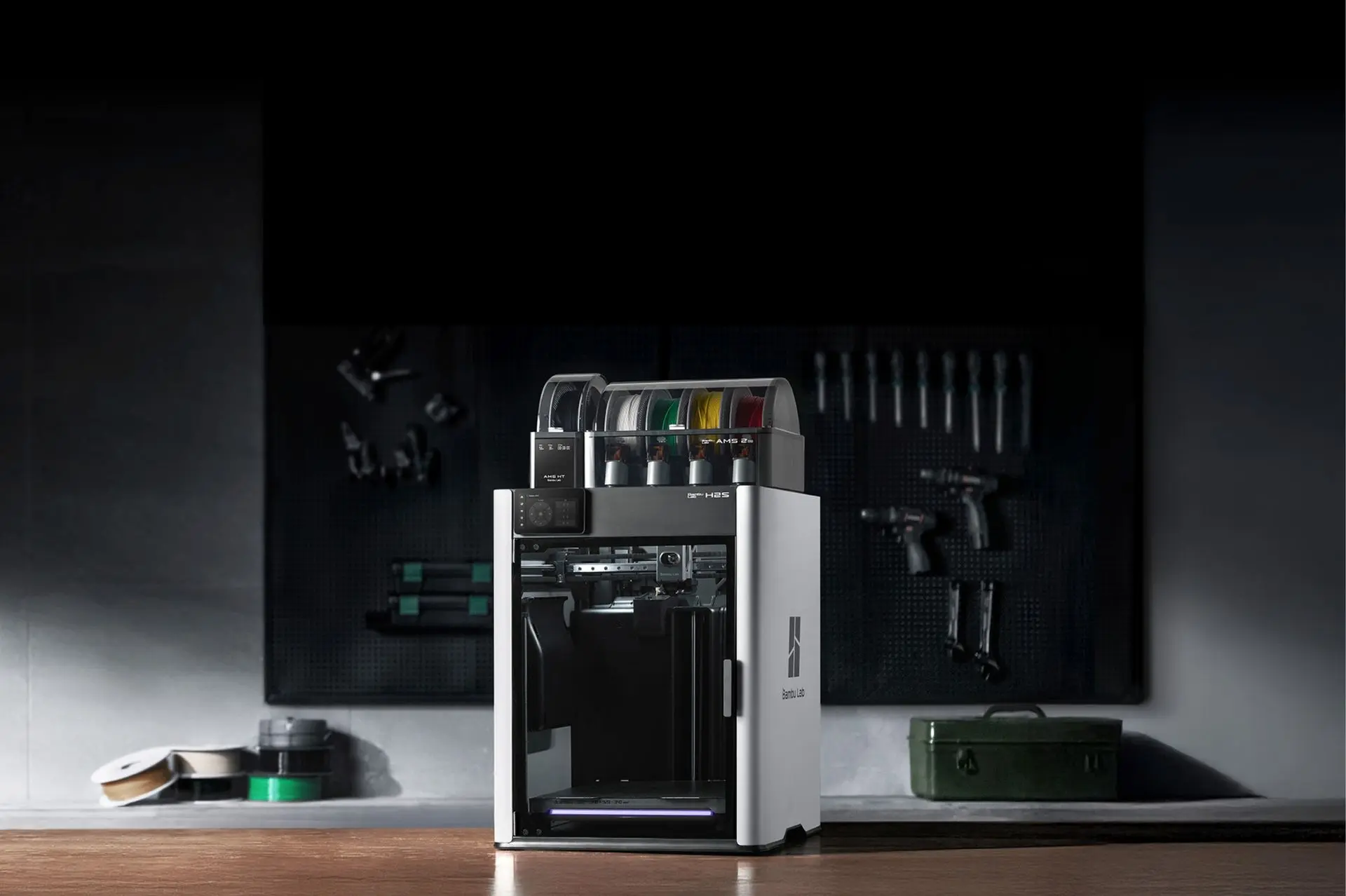
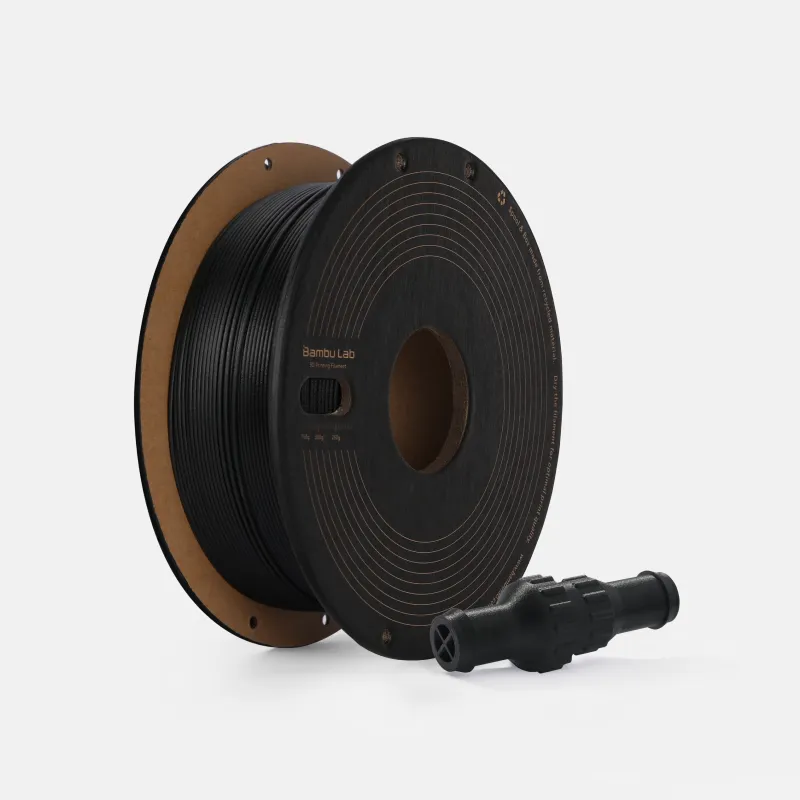
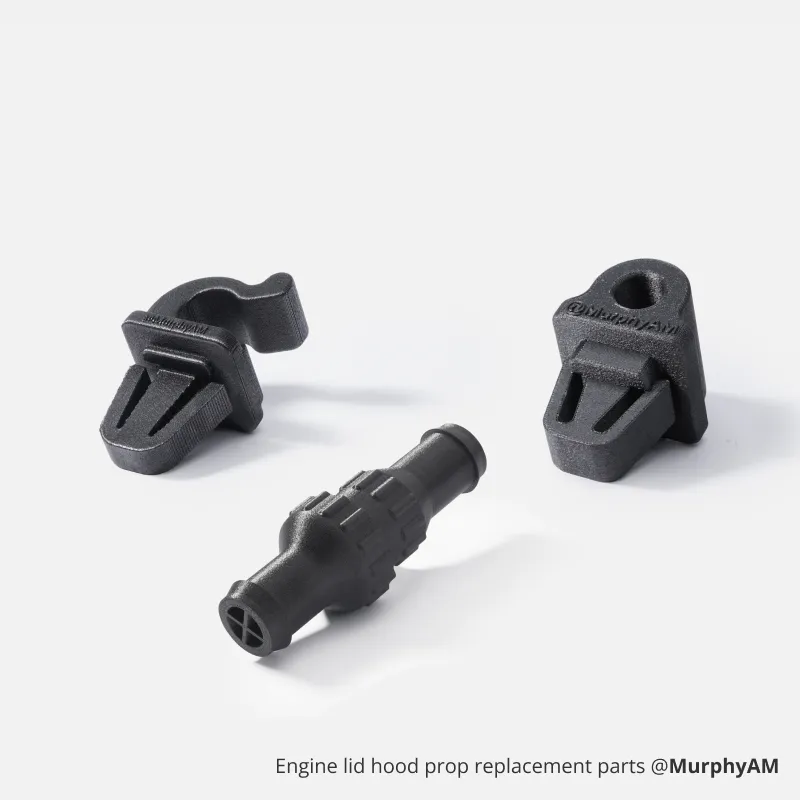
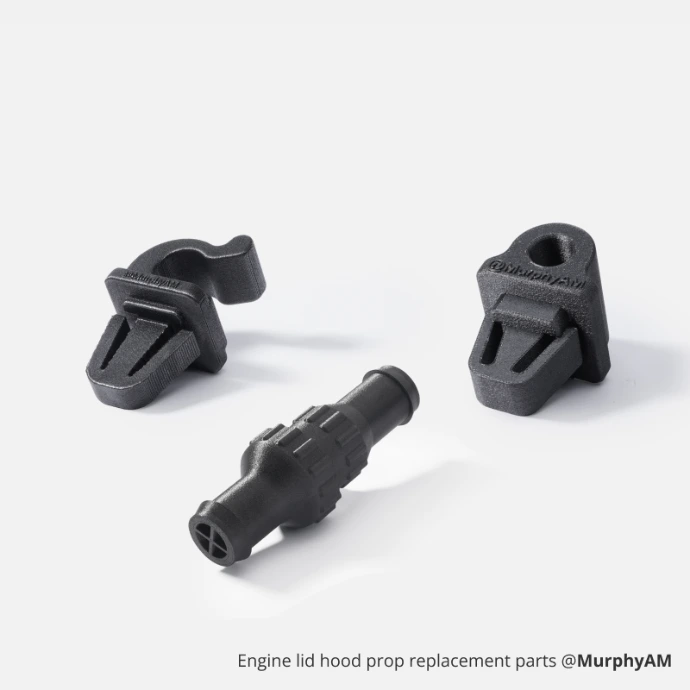
PPS-CF boasts a heat deflection temperature of up to 264°C under 0.45 MPa and can continuously operate at temperatures exceeding 200°C. This significantly outperforms normal PA-CF materials, which have maximum temperatures around 190°C and 120°C. Its exceptional heat resistance ensures outstanding creep resistance, making PPS-CF ideal for demanding industrial environments and applications.
| PPS-CF | PPA-CF | PET-CF | PA6-CF | Normal PA-CF | PC | ABS | PLA Basic | |
|---|---|---|---|---|---|---|---|---|
| Heat Deflection Temperature / ℃ (0.45 MPa) | 264 ℃ | 227 ℃ | 205 ℃ | 186 ℃ | 184 ℃ | 117 ℃ | 87 ℃ | 57 ℃ |
Superior Flame Retardancy
PPS-CF achieves a UL-94 V-0 flame retardant rating, offering superior safety and reliability in critical areas such as electronics and automotive components. PPS-CF provides long-lasting durability and peace of mind even in the most demanding environments.
Unmatched Mechanical Properties
Combining the stiffness of PPS polymers with the reinforcing power of carbon fiber, PPS-CF offers exceptional stiffness, bending strength, and tensile strength. Its superior dimensional stability and resistance to warping ensure that large-scale prints maintain precision and avoid deformation during the printing process, making it perfect for high-precision applications.
| PPS-CF | PET-CF | Improved % | |
|---|---|---|---|
| Stiffness (Bending Modulus - XY, Dry State) | 7160 MPa | 5320 MPa | 34.59% |
| Strength (Bending Strength - XY, Dry State) | 142 MPa | 131 MPa | 8.40% |
Solvent and Chemical Resistance
PPS-CF offers outstanding solvent and chemical resistance, second only to PTFE (Teflon). It remains virtually insoluble in any solvent below 200°C and exhibits exceptional resistance to acids, bases, and salts under normal conditions. This makes PPS-CF the ideal choice for challenging environments where chemical stability is critical.
Ultra-Low Water Absorption
With an extremely low moisture absorption rate of just 0.05%, PPS-CF ensures that its mechanical and thermal properties remain stable even in humid conditions. Unlike normal PA-CF, which can soften and degrade when exposed to moisture, PPS-CF maintains its strength and durability, making it the superior option for applications requiring high moisture resistance.
Parameters Comparison
| PPS-CF | PET-CF | PA6-CF | |
|---|---|---|---|
| Composition | Polyphenylene sulfide (PPS), Carbon Fiber | Polyethylene terephthalate (PET), Carbon Fiber | Nylon6 (PA6), Carbon Fiber |
| Toughness (Impact Strength - XY, Dry State) | 27.8 kJ/m² | 36.0 kJ/m² | 40.3 kJ/m² |
| Toughness (Impact Strength - XY, Wet State) | 27.8 kJ/m² | 37.3 kJ/m² | 57.2 kJ/m² |
| Strength (Bending Strength - XY, Dry State) | 142 MPa | 131 MPa | 151 MPa |
| Strength (Bending Strength - XY, Wet State) | 142 MPa | 127 MPa | 95 MPa |
| Layer Strength (Bending Strength - Z, Dry State) | 36 MPa | 49 MPa | 80 MPa |
| Layer Strength (Bending Strength - Z, Wet State) | 36 MPa | 46 MPa | 45 MPa |
| Stiffness (Bending Modulus - XY, Dry State) | 7160 MPa | 5320 MPa | 5460 MPa |
| Stiffness (Bending Modulus - XY, Wet State) | 7160 MPa | 5240 MPa | 3560 MPa |
| Layer Adhesion (Impact Strength - Z, Dry State) | 2.8 kJ/m² | 4.5 kJ/m² | 15.5 kJ/m²/td> |
| Heat Resistance (HDT, 0.45 MPa, Dry State) | 264 ℃ | 205 ℃ | 186 ℃ |
| Saturated Water Absorption Rate (25 °C, 55% RH) | 0.05% | 0.37% | 2.35% |
Printing Tips
1.Accessory Compatibility
Not compatible with AMS Series, Cool Plate SuperTack, Hotend with Stainless Steel Nozzle 0.2 mm, Bambu Liquid Glue.
2.Printing Guidelines
- Nozzle Temperature: Recommended range is 310 to 340°C.
- Chamber Temperature: Recommended range is 60 to 90°C.
- Tip: Using higher values within these ranges can enhance the mechanical properties of the printed parts, especially in the Z-direction.
3.Drying Recommendations
- Important Note: Higher temperatures within the drying range yield better results, but do not exceed 160°C to avoid damaging the spool.
- Additional Information: For more details, refer to the guide on WIKI.
4.Storage Tips
- Storage Condition: To prevent the filament from absorbing moisture, use an airtight storage container with desiccant during printing.
- For Further Details: Please refer to the guide on WIKI.
5.Annealing Prints
If you need to anneal the prints, please refer to the Technical Data Sheet (TDS) and the WIKI section Work After Printing is Finished.