Snapmaker U1 vs Bambu Lab H2C
Introduction:
Both the Snapmaker U1 and Bambu Lab H2C are good machines with their unique hotend systems. Let's have a look at their specifications and compare to see which one's better.
SnapSwap vs Vortek Hotend System
Snapmaker U1 has the SnapSwap system, which is based on physically separate toolheads. Each toolhead has its own nozzle and material path, making the process easy and very controlled. It’s reliable and clear, but physical swapping can take a bit more time during multi material prints.
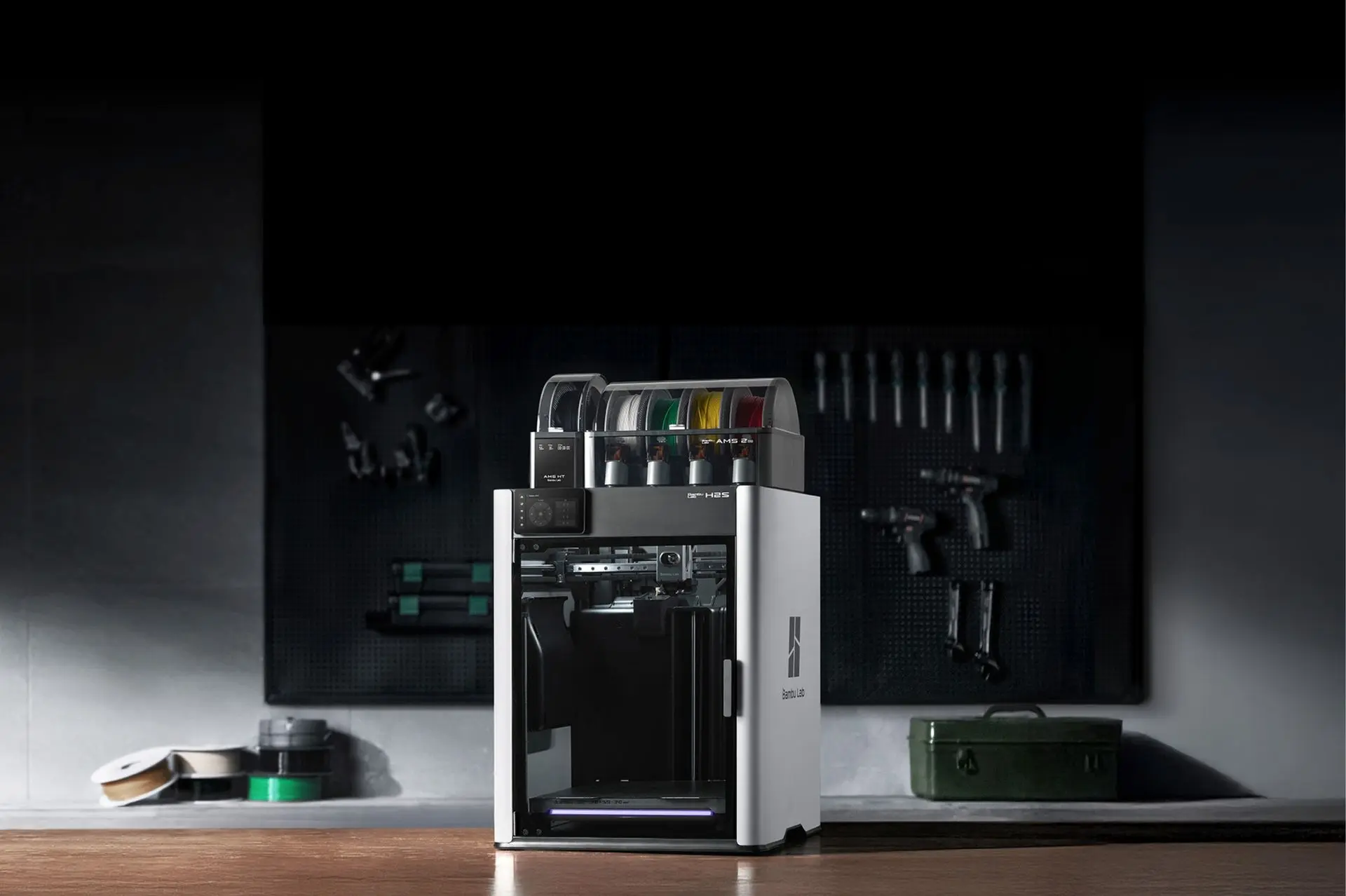
Bambu Lab H2C uses the Vortek Hotend System, which is automated instead of physical swaps. Filament changes, purging, and checks are handled by the system in the background, which keeps the workflow smooth and fast.
User Interface & Experience
The Snapmaker U1 offers a clean, understandable and easy interface. It works well for users who prefer a straight, manual workflow.
The Bambu Lab H2C, delivers a more refined experience. Its interface is tightly integrated with the software, handles calibration, filament management, and monitoring automatically. This results in very less interruptions and smooth printing experience, specifically for users who print often
Software & Workflow
Snapmaker’s workflow allows was inmanual tuning and flexibility, which some users appreciate.
Bambu Lab’s ecosystem is more controlled but highly optimized. For most users, this results in faster prints, fewer failed jobs, and less time spent adjusting settings.
Multi Material Printing
The U1’s tool changing system easy to understand, but it involves more physical movement and management.
The H2C’s automated filament handling system makes multi color and multi material printing more efficient.
Which One Is Better?
The Snapmaker U1 is a good choice for users who enjoy hands on control and experimenting with settings.
The Bambu Lab H2C is better suited for users who prioritize speed, automation, and productivity.
Conclusion
While both printers perform well, the Bambu Lab H2C offers a more complete and future-ready experience. Its automation, reliability, and refined workflow reduce the learning curve and increase efficiency, making it the more practical choice for most buyers today.